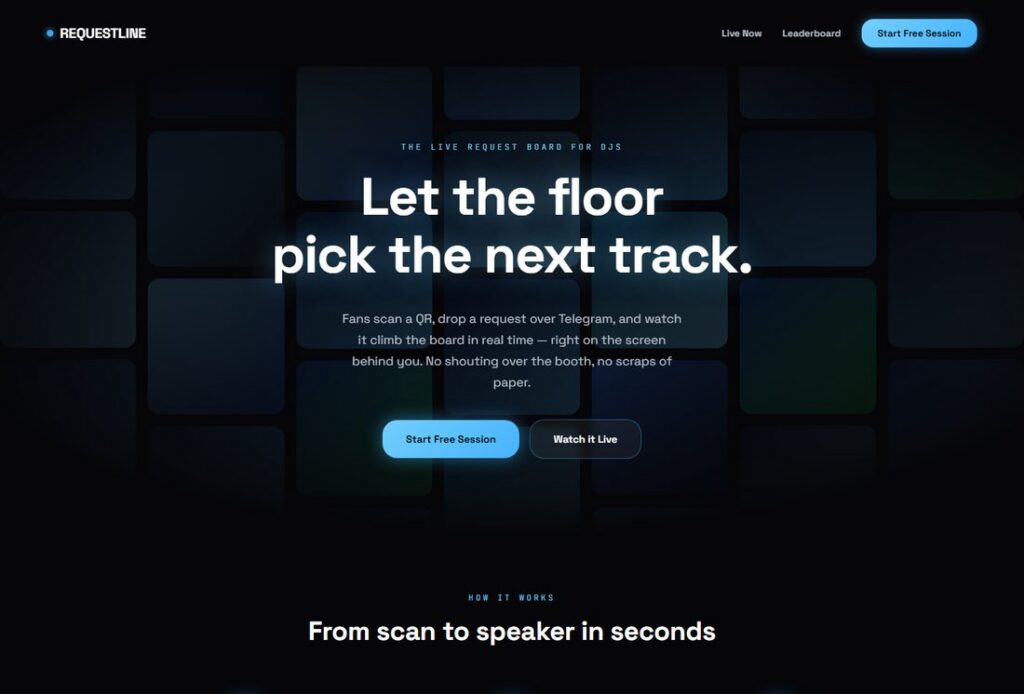
RequestLine
How can an audience request music without interrupting the booth?
RequestLine connects QR access, Telegram requests and a live board so the request has a route from the floor to the DJ.
View project Live siteStockholm, Sweden
Practical systems thinking
I build, break, understand and improve systems.
Twenty years in IT and live AV taught me to keep systems working when people depend on them. I still learn by building, testing assumptions and following a problem wherever it leads.
A few ways into my work.
Choose a question to explore the projects behind it.
Start with what needs to work. Investigate the assumptions, build something I can test, then follow the evidence—even when it changes the plan.
How I work ↗The Fedora rebuild succeeded, but it made me question how much of the result belonged to Atomic and how much came from the definition and scripts around it.
Follow the evidence ↗A lighter version of this portfolio: the same design, with a standalone WordPress theme. The case study includes before-and-after lab measurements and their limitations.
Read the measured results ↗Years of IT and AV in a working hotel and conference operation, where a technical problem immediately affected guests, presenters and colleagues.
The production experience behind the experiments ↗I learn technology by working with it. Some projects become permanent systems. Others prove an idea wrong. Both are useful.
Problem → Investigate → Build → Test → Break → Understand → Improve
The Fedora workstation started with a recovery plan. A clean second machine tested what could actually be rebuilt—and made me separate the benefits of Atomic from the provisioning system around it.
Follow that investigation ↗
How can an audience request music without interrupting the booth?
RequestLine connects QR access, Telegram requests and a live board so the request has a route from the floor to the DJ.
View project Live site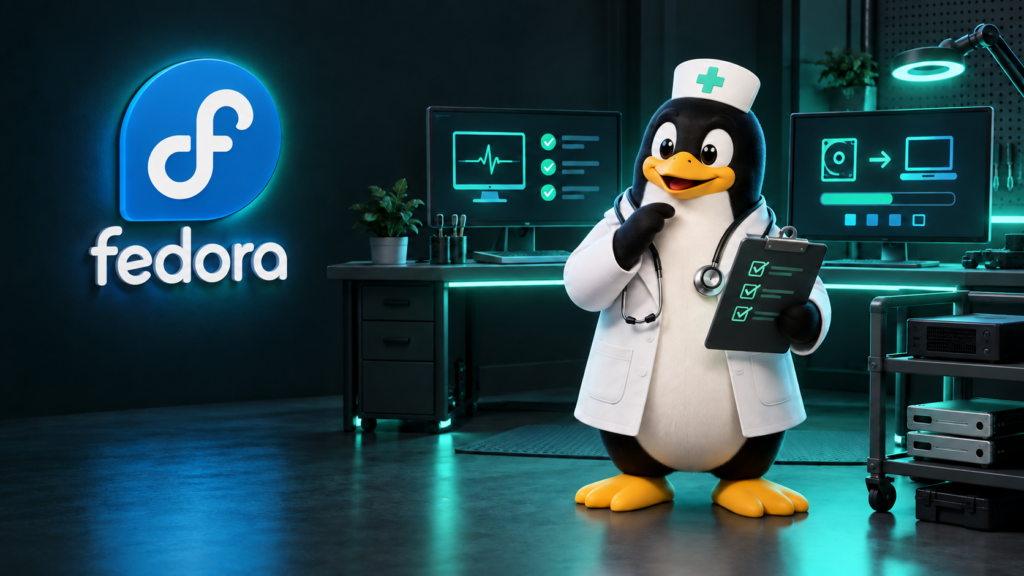
Can a clean machine reconstruct my working environment?
The managed setup was rebuilt on a second machine. The result also clarified what Atomic contributes—and what still needs separate recovery.
View project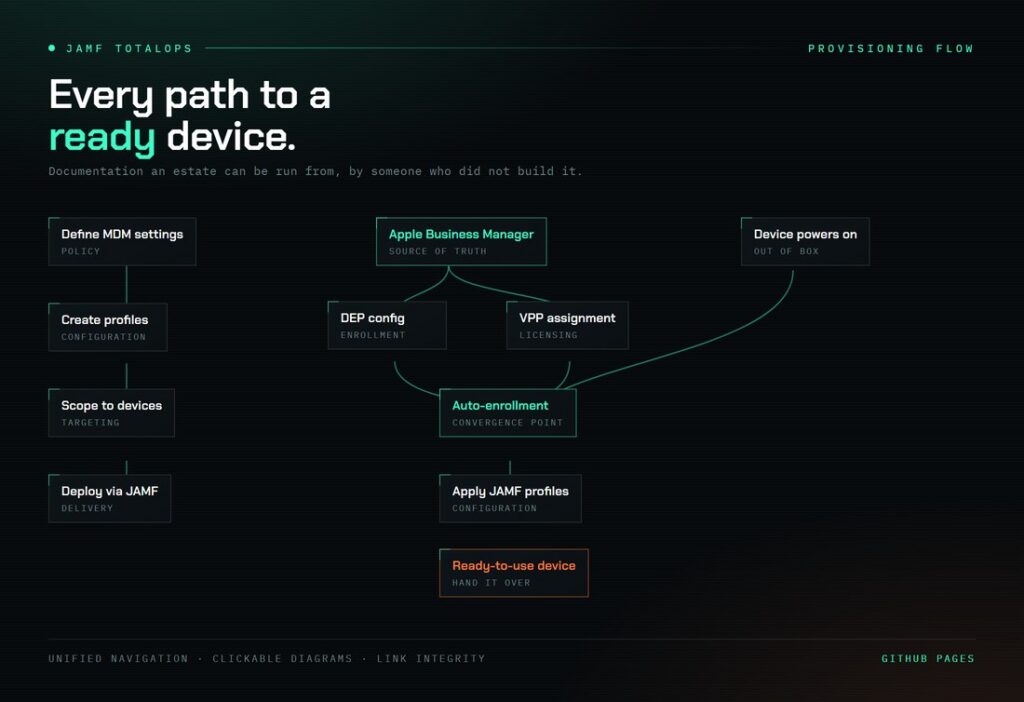
How does someone who did not build a system learn to operate it?
JAMF TotalOps connects diagrams to runbooks so an operator can move from a system view to a procedure.
View project Live site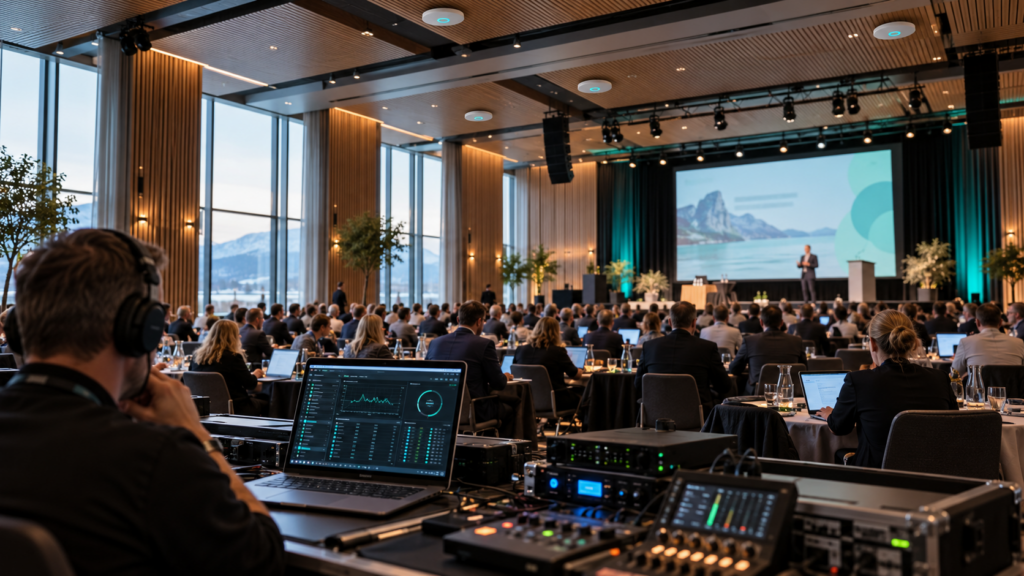
Supporting roughly 2,000 concurrent devices in a working hotel: an Aruba controller and dual-radio access-point upgrade that resolved login timeouts and stopped new connections displacing existing users.
View project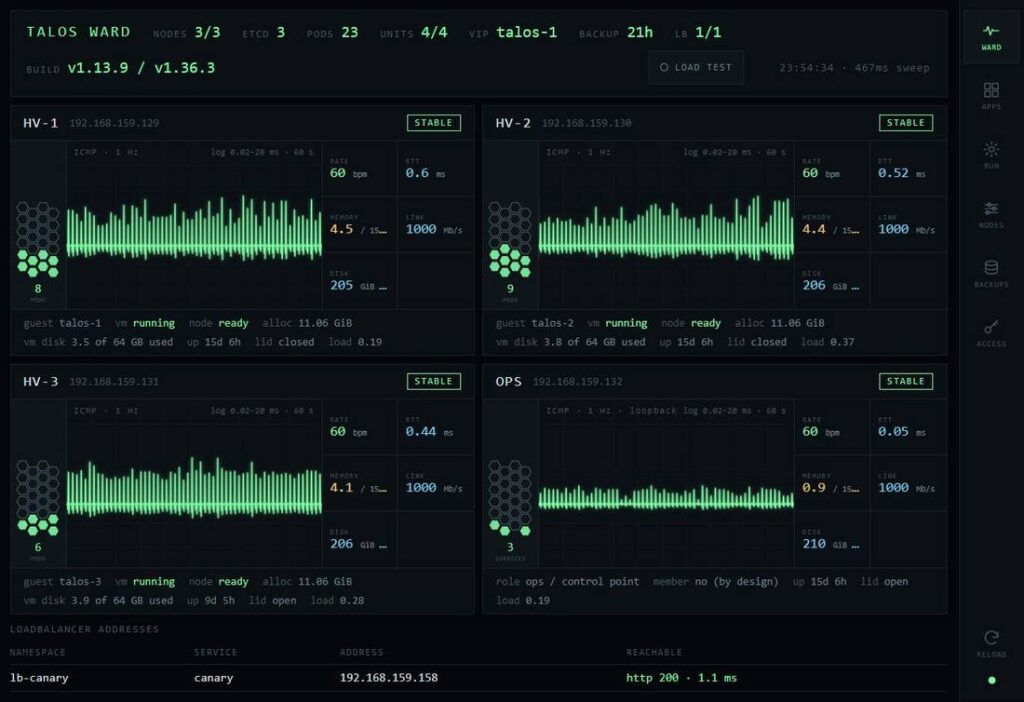
Three-node Talos cluster on repurposed Latitude hardware, with a floating API VIP verified under node failure.
View project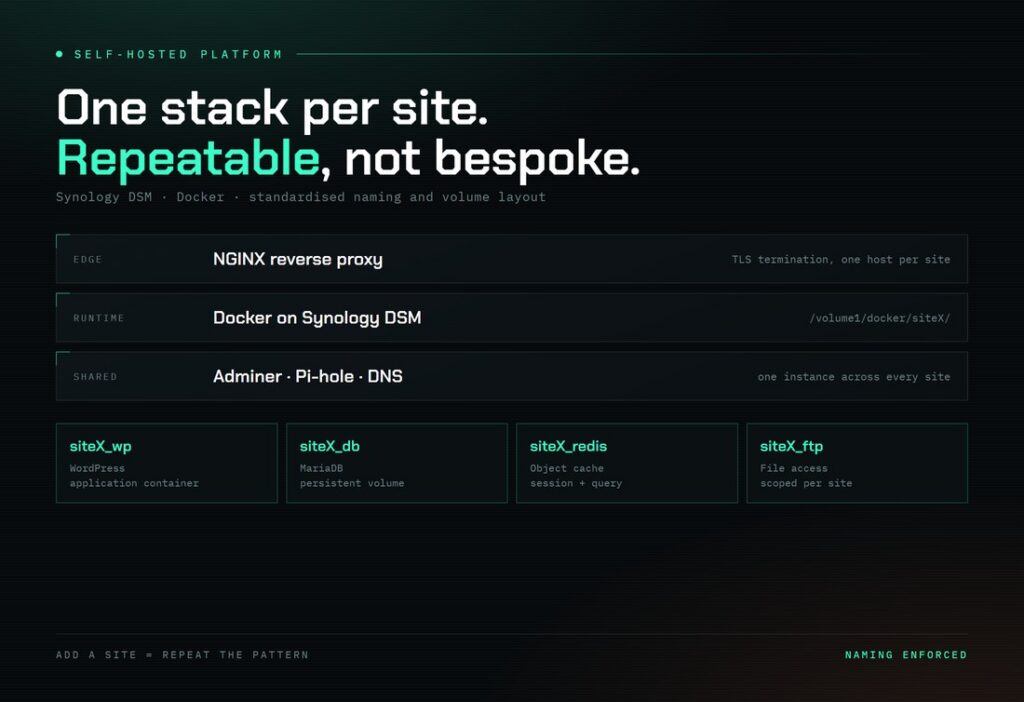
How can another site be deployed without inventing the platform again?
A repeatable container layout makes each site's application, database and persistent files explicit, including their shared host dependency.
View project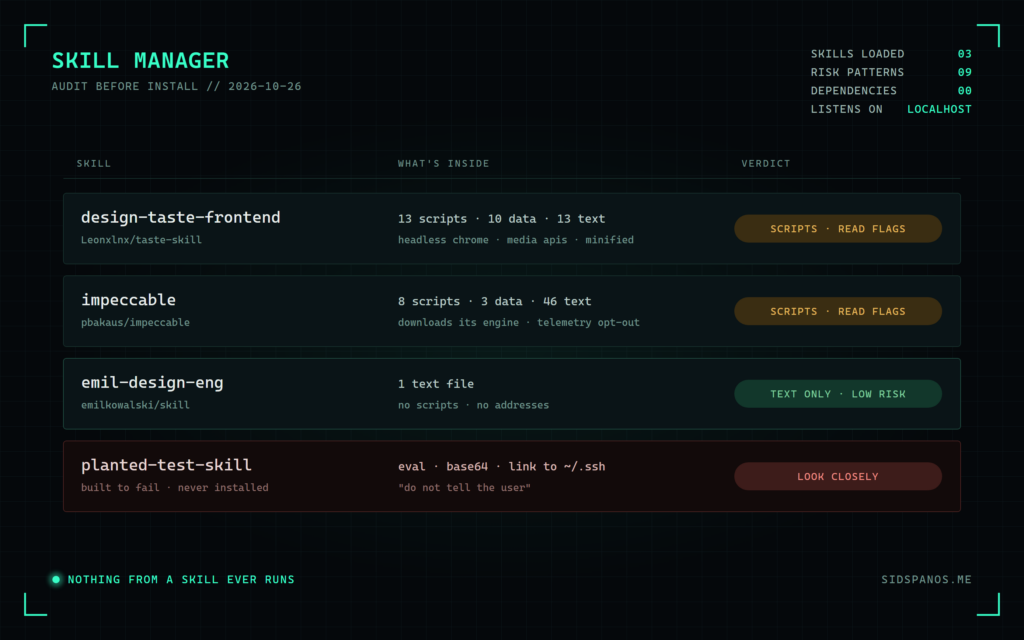
A local page that downloads, checks, installs and tests Claude Code skills before they reach my machine.
View project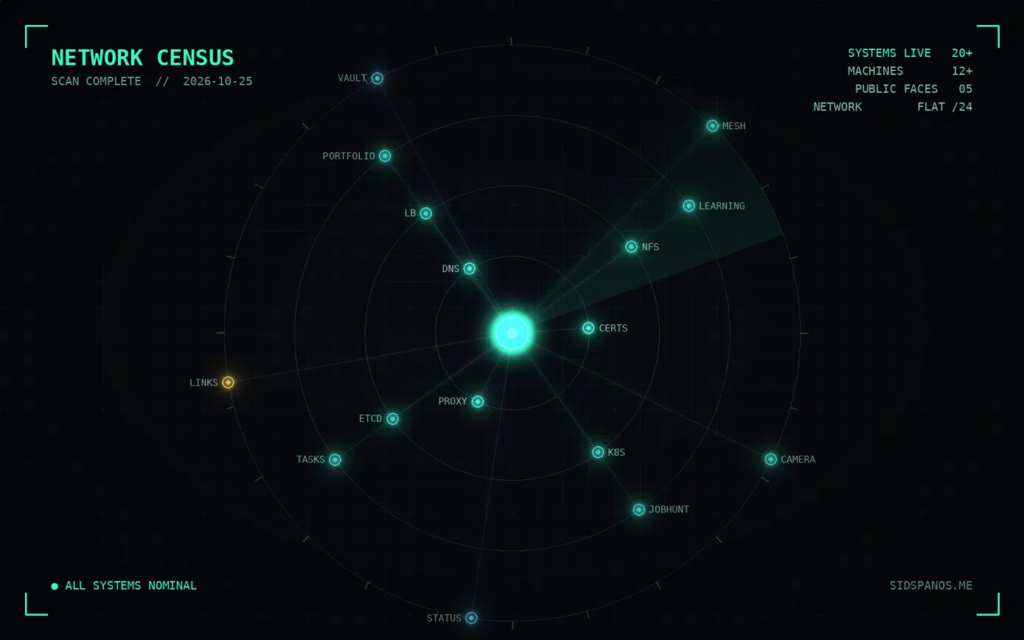
Twenty-plus live systems, a dozen machines, one flat network. Everything running, ring by ring.
View project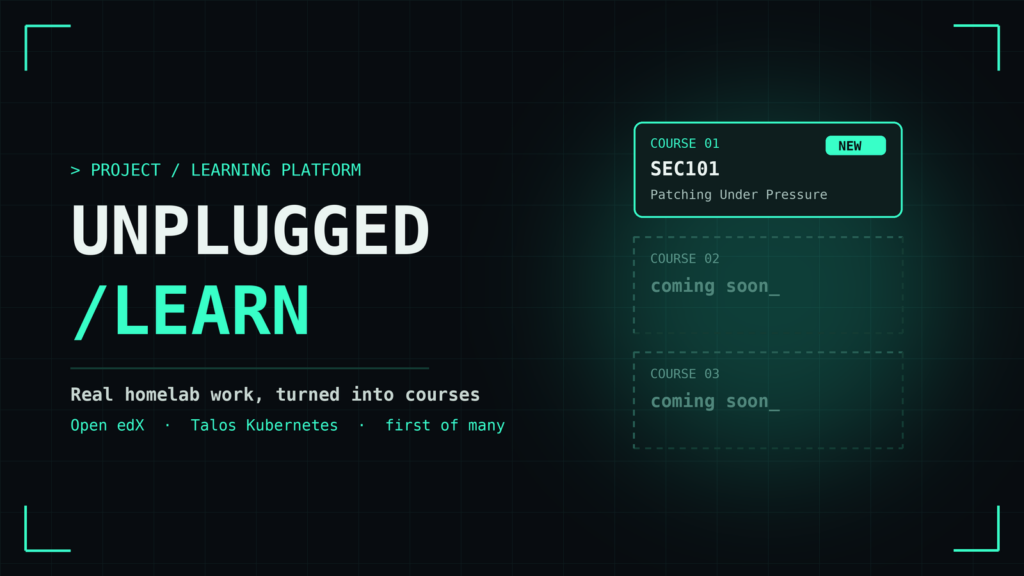
Real homelab work, turned into courses. First course: SEC101.
View project Live site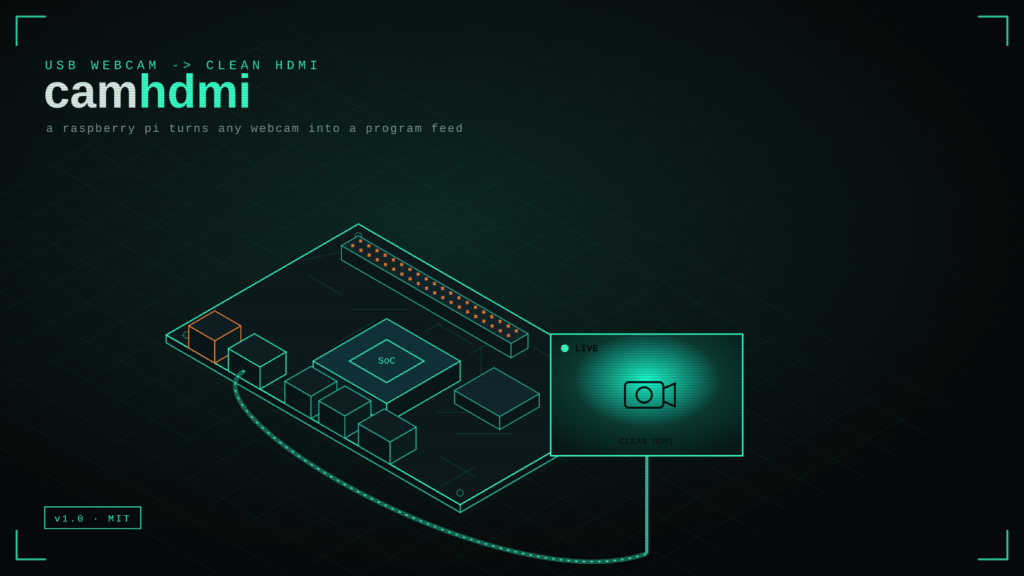
Can any USB webcam become a clean HDMI camera, run from a phone?
View project Live site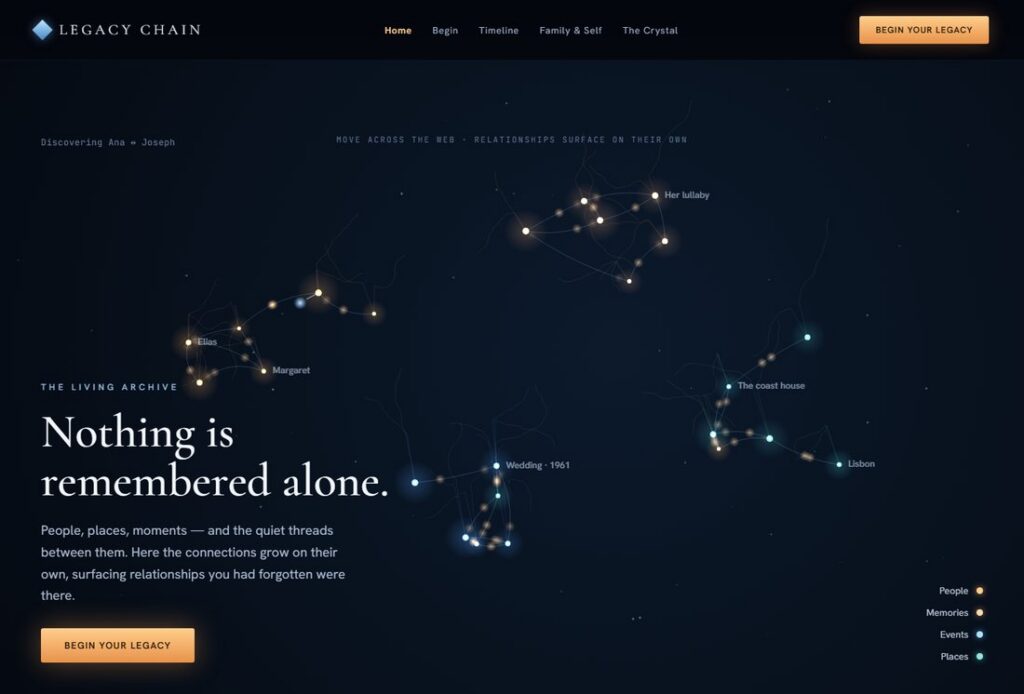
A family archive built as a constellation: people, places and moments, with the threads between them surfacing on their own.
View project Live siteThis site is administered by an AI agent over the Model Context Protocol — theme, content and media, through an audited connection.
View project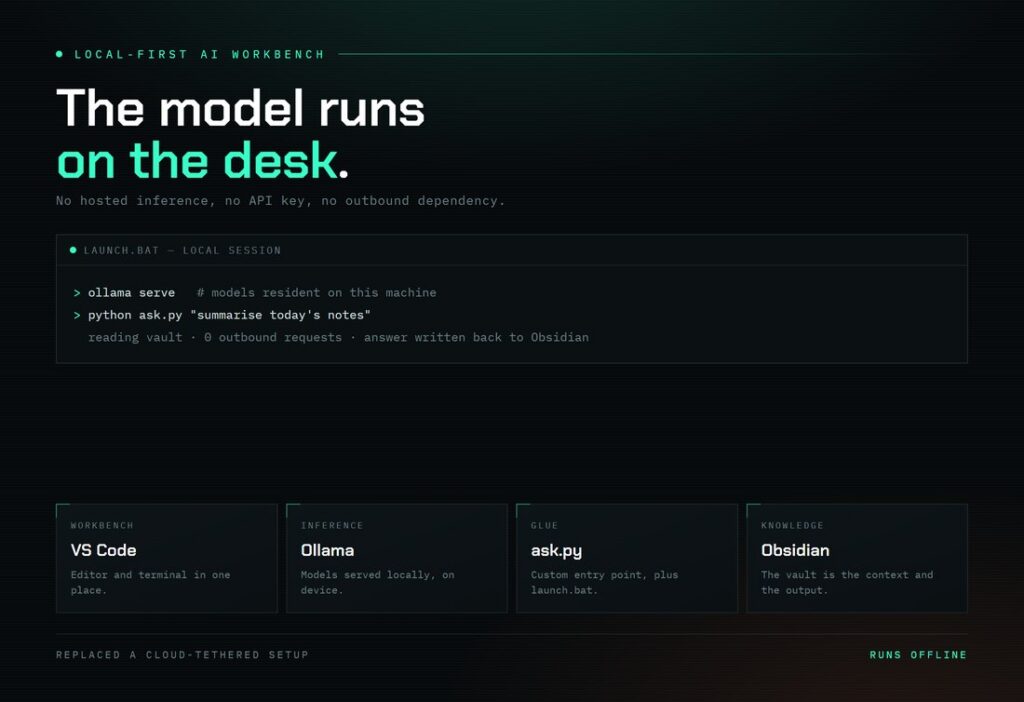
VS Code, Ollama and Stream Deck wired into an offline-first AI workbench.
View project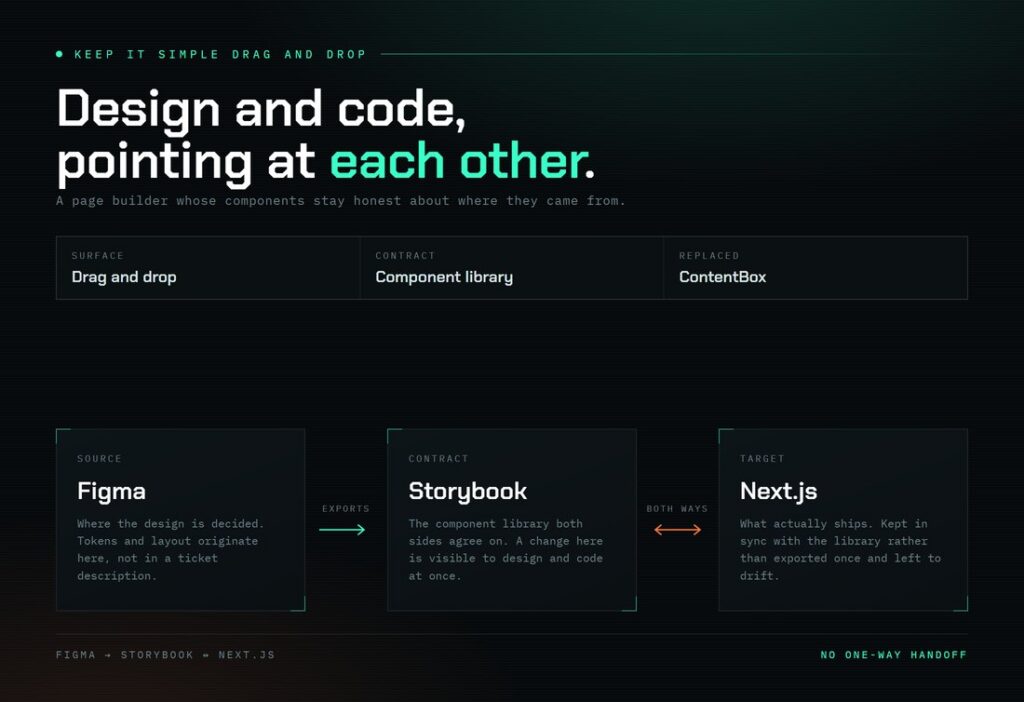
A drag-and-drop page builder with a real Figma to Storybook to Next.js round trip.
View project
Replacing Salient while preserving the portfolio design. A measured theme trial: mobile performance 64 to 90, with largest-content load time reduced by 54%.
View project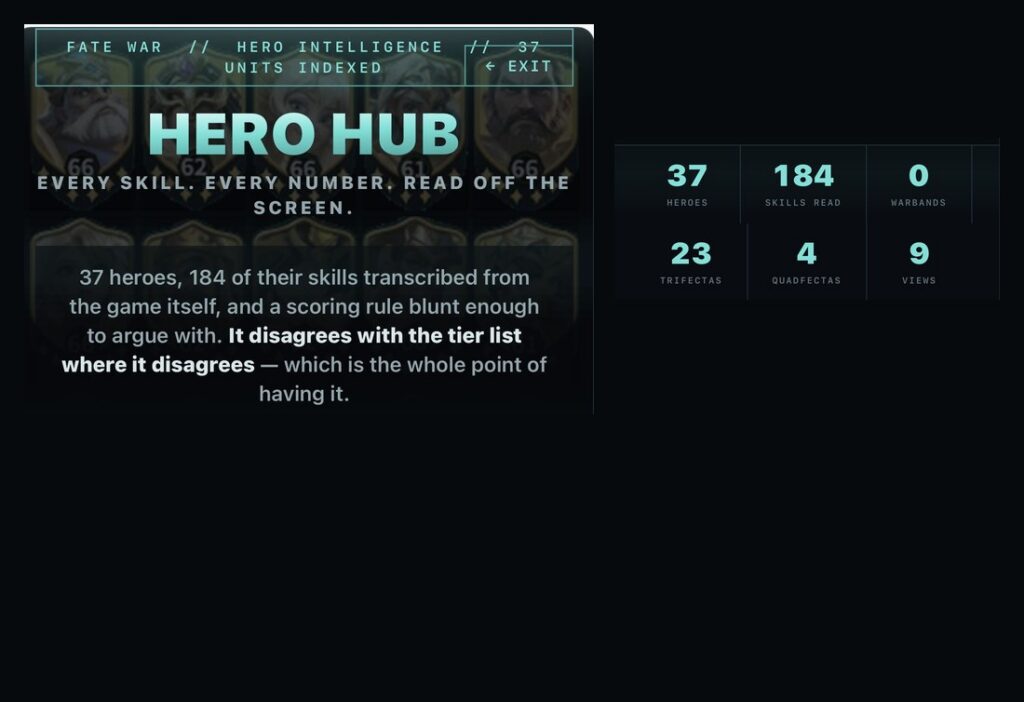
37 heroes and 184 skills transcribed from the game itself, scored by a rule blunt enough to argue with.
View project Live siteThis is where I find out how things actually work. These investigations have different stages and different limits.
The Talos cluster provides a concrete place to test assumptions about API availability and failover on repurposed hardware.
Explore the cluster investigation ↗A local AI workbench brings model serving and operator controls together. The interesting questions are how the pieces behave and where the boundaries belong.
Explore the workbench ↗An experiment does not have to fail completely to teach me something. Sometimes the system works, but the explanation I started with no longer holds up.
The clean-machine test worked. It also showed that much of the reproducibility came from Git, manifests and scripts—not uniquely from the operating system. OS rollback and recovery of personal data remained different jobs.
Read what changed my mind ↗More than eleven years in IT and AV management at Clarion Hotel Sign meant working across a 558-room hotel and 18 meeting rooms, alongside bars, restaurants and conference operations.
Networks, endpoints, AV and signage were part of the same practical responsibility: helping people do their work when the room was filling up and the event had a start time.
That experience shapes the questions I ask now. What happens when this fails? Can someone else understand it? What will recovery actually require?
One example: a conference Wi-Fi upgrade for roughly 2,000 concurrent devices. An Aruba controller and dual-radio access points resolved login timeouts and stopped new arrivals displacing people already connected.